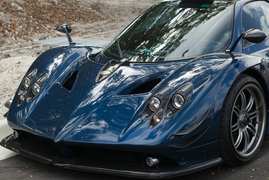
The Legacy of Speed: 10 Production Cars Built with Racing Engines
For generations, the unmistakable sound of a finely-tuned racing engine has resonated far beyond the confines of legendary circuits and into the urban landscapes of our cities. There exists an intrinsic allure, a visceral charge, that accompanies the privilege of commanding a vehicle fundamentally imbued with true motorsport DNA. This is not simply a matter of superficial styling or cosmetic performance upgrades; we are examining production cars that proudly carry engines conceived and perfected within the intense crucible of elite competition. These powerhouses, forged in the relentless pursuit of speed and victory, deliver a high-revving, adrenaline-fueled experience to everyday drivers, forging a direct and potent link to their racing counterparts.
In this comprehensive exploration, we delve into ten production vehicles that masterfully blur the delineation lines between the racetrack and the public highway. From the operatic crescendo of naturally aspirated V12s to the guttural bellow of turbocharged titans, these machines offer a tangible taste of racing pedigree. But before we immerse ourselves in the specifics of these exceptional vehicles, it is crucial to understand the fundamental rationale behind why automotive manufacturers invest astronomical sums into the costly and demanding world of motorsport, and how those hard-won lessons translate directly into the cars that grace our driveways.
The Symbiotic Relationship: Motorsport DNA in Road-Going Vehicles
The intertwined destiny of motorsport and road car development is a narrative as old as the automobile itself. Racing serves as an extreme proving ground, pushing the boundaries of engineering ingenuity and subjecting vehicles and their components to unparalleled stress. The unforgiving environment of competition demands absolute reliability and peak performance; there is simply no room for failure when victory hangs in the balance. The invaluable knowledge gleaned from these high-stakes endeavors inevitably finds its way back to the design and production of the cars we rely on daily. Whether it’s the implementation of sophisticated aerodynamic principles, the strategic use of advanced lightweight materials, or the direct trickle-down of cutting-edge engine technology, innovation forged in the heat of racing pioneers the creation of superior road cars.
Consider, for instance, the widespread adoption of disc brakes and the ubiquity of paddle shifters; both technologies began their journey on the racetrack before becoming standard features in contemporary production vehicles. Furthermore, the prestige and brand enhancement derived from motorsport success are immeasurable. When a manufacturer’s racing machine consistently dominates the competition, its road-going counterparts are perceived as inherently more desirable and capable. While the vast majority of enthusiasts will never have the opportunity to pilot a Formula 1 car or a Le Mans prototype, the presence of a race-bred engine thrumming beneath the hood offers a profound sense of connection to the action, allowing us to experience a sliver of that exhilarating world.
The Symbiotic Relationship: Motorsport DNA in Road-Going Vehicles
The enduring symbiosis between motorsports and road car development is a chronicle as old as the automobile itself. Professional racing serves as the ultimate proving ground, consistently pushing the frontiers of engineering creativity and subjecting both vehicles and their individual components to unprecedented levels of stress and strain. The unforgiving environment of competition demands absolute reliability and peak performance; there is simply no margin for error when the ultimate prize hangs in the balance. The invaluable knowledge and technical expertise gleaned from these high-stakes endeavors inevitably find their way back to the design and production of the automobiles we rely on daily. Whether it manifests as the implementation of sophisticated aerodynamic principles, the strategic application of advanced lightweight materials, or the direct trickle-down of cutting-edge engine technology, innovation forged in the heat of racing ultimately pioneers the creation of superior road cars.
Consider, for instance, the widespread adoption of disc brakes and the ubiquity of paddle shifters; both technologies began their journey on the racetrack before becoming standard features in contemporary production vehicles. Furthermore, the prestige and brand enhancement derived from motorsport success are immeasurable. When a manufacturer’s racing machine consistently dominates the competition, its road-going counterparts are perceived as inherently more desirable and capable. While the vast majority of enthusiasts will never have the opportunity to pilot a Formula 1 car or a Le Mans prototype, the presence of a race-bred engine thrumming beneath the hood offers a profound sense of connection to the action, allowing us to experience a sliver of that exhilarating world.
Why Automotive Manufacturers Invest in Motorsports
Automotive manufacturers invest staggering amounts of financial capital, time, and intellectual resources into the costly, risky, and exceptionally demanding world of professional motorsport for a multitude of strategic reasons. The return on investment, while not always immediately apparent in terms of quarterly profits, is substantial and far-reaching.
Firstly, motorsport serves as a unique and extreme proving ground for advanced automotive technologies. The harsh conditions encountered on the racetrack, whether it’s the intense heat of endurance racing or the extreme G-forces of Formula 1, push vehicles and their components to their absolute breaking points. The need for high performance, ultimate reliability, lightweight construction, and exceptional durability under immense stress means that only the most innovative and robust technologies survive. The lessons learned from these endeavors are then adapted and integrated into production vehicles, providing a tangible benefit to consumers.
Secondly, technology transfer is a primary driver of motorsport investment. Innovations and breakthroughs developed on the track often trickle down to road-going vehicles, benefiting the broader automotive industry. For example, disc brakes, paddle shifters, fuel injection systems, and advanced aerodynamic concepts were all pioneered or perfected in motorsport before becoming mainstream features in modern production cars. This constant push for innovation keeps manufacturers at the forefront of technological development and ensures that their products are equipped with the latest and greatest advancements.
Thirdly, brand prestige is a critical factor. Success on the racetrack enhances a manufacturer’s reputation, building brand equity and trust among consumers. When a car manufacturer consistently wins races and championships, its road-going vehicles are perceived as more capable, reliable, and desirable. The emotional connection that fans have with motorsports often translates into loyalty to the brands that compete, even if those fans never race themselves.
Finally, motorsport is an effective marketing and branding tool. It provides a platform to showcase a manufacturer’s engineering prowess, commitment to innovation, and winning spirit. The exhilarating, high-adrenaline nature of racing attracts a passionate audience, and manufacturers use this platform to connect with potential customers and build a strong brand identity.
How Motorsport Influences Road Cars
The influence of motorsport on road cars is profound and multifaceted. Engineers and designers utilize the knowledge gained from racing to improve vehicle performance, safety, and efficiency. Here are some of the key ways motorsport influences road cars:
Aerodynamics: Race cars utilize complex aerodynamic designs to reduce drag, increase downforce, and improve stability at high speeds. These principles are increasingly being incorporated into production cars, improving handling, fuel efficiency, and overall performance.
Lightweight Materials: Motorsport pushes the boundaries of lightweight materials, such as carbon fiber, titanium, and advanced alloys. These materials are becoming increasingly common in production cars, reducing weight and improving performance.
Engine Technology: Racing drives innovation in engine technology, leading to advancements in fuel injection, turbocharging, and high-performance engine design. These advancements often find their way into production cars, improving performance and efficiency.
Braking Systems: Racing demands high-performance braking systems that can withstand extreme heat and pressure. The technologies developed for race cars, such as carbon ceramic brakes and advanced cooling systems, are now available on production cars.
Handling and Suspension: Motorsport engineers constantly work to improve vehicle handling and suspension systems. The lessons learned from racing are often incorporated into production cars, improving ride comfort, stability, and overall performance.
A Legacy of Speed: 10 Production Cars Powered by Racing Engines
Our exploration begins with vehicles that represent the zenith of this motorsport-to-road philosophy. These are not merely cars adorned with racing stripes; they are machines carrying the very heart and soul of their track-honed ancestors. The selection of these cars spans several decades, showcasing the evolution of motorsport engineering and the enduring legacy it has left on the automotive world. From vintage icons to modern marvels, each vehicle represents a unique chapter in this fascinating story, a testament to the power of motorsport to inspire and elevate the production car experience.
Alfa Romeo Montreal: The V8 Heartbeat of a Legend
The Alfa Romeo Montreal, a striking masterpiece from the late 1960s and early 1970s, houses a remarkable 2.6-liter Tipo 33 naturally aspirated V8 engine. This powerplant was directly derived from Alfa Romeo’s highly successful Tipo 33 sports prototype racer, a formidable competitor in grueling endurance events such as the Targa Florio and the 24 Hours of Daytona. While meticulously retuned for civilian duty, the engine in the Montreal remarkably preserves its motorsport character. It willingly spins to an impressive 7,000 RPM, delivering a spirited 200 horsepower. The intoxicating symphony of its V8, coupled with its strikingly avant-garde styling, cemented the Montreal’s status as one of the most captivating, albeit frequently overlooked, Alfa Romeo creations. This Italian performance car exemplifies the charm of vintage racing-derived engines and remains a sought-after vintage Alfa Romeo for collectors.
BMW M1, M3 (E30), M5 (E28), M6 (E24): The M Division’s Motorsport Foundation
BMW’s profound motorsport lineage is indelibly etched into the DNA of its most iconic models. The legendary BMW M1, a mid-engine marvel, was propelled by the potent 3.5-liter M88 inline-six engine. This powerplant was a direct descendant of the brand’s highly successful racing programs, most notably finding its application in the BMW M1 ProCar series. Remarkably, this same formidable engine later found its way into the E24 M6 and the E28 M5