



Ultimate Speed & Engineering: The Top 10 Supercars and Hypercars Dominating 2025 Roads
The lines between “supercar” and “hypercar” are increasingly blurred in the automotive world. Forget rigid classification; what unites these machines is an almost unbelievable fusion of raw power, cutting-edge technology, and breathtaking design. To own one is to possess a piece of automotive art, a mobile sculpture built for extreme velocity. This isn’t just about going fast; it’s about experiencing speed that redefines the limits of what’s possible.
Today, the supercar and hypercar landscape is more competitive than ever. While the titans of the automotive world continue to innovate, newcomers are pushing the boundaries of performance, efficiency, and sheer visual impact. As we navigate 2025, these elite machines continue to attract record-breaking demand, with production slots filling up years in advance and owners paying stratospheric prices to join the exclusive club.
This comprehensive review dives deep into the current roster of automotive excellence. We’ll explore the specifications that place these vehicles in a league of their own, the technology that drives their extreme performance, and the artistry that makes them desirable beyond mere function. From the precision-engineered legends of Europe to the aggressive challengers from the US, here is your guide to the world’s most desirable speed machines.
Bugatti Chiron Super Sport 300+: The Sonic Benchmark
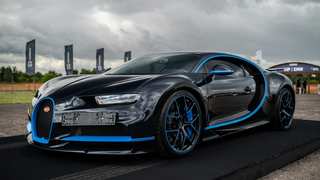
When it comes to pure velocity, the Bugatti Chiron Super Sport 300+ remains an absolute icon. Building upon the legacy of the legendary Veyron, the Chiron lineage represents the pinnacle of Bugatti’s engineering prowess. This isn’t just a car; it’s a statement of intent. The Chiron Super Sport 300+ achieves a milestone that few have ever reached: it physically breaks the 300 mph barrier, a feat that transformed it from a supercar into a true hypercar benchmark.
 The heart of this beast is the quad-turbocharged 8.0-liter W16 engine. When fed premium 98-octane fuel, this colossal powerplant produces approximately 1,600 horsepower. This immense power is channeled through an advanced dual-clutch transmission, which orchestrates lightning-fast gear changes to keep the engine in its optimal power band. The result is an acceleration curve that pushes drivers deep into their seats, propelling the Chiron from 0 to 60 mph in a scarcely believable 2.4 seconds.
However, the performance isn’t just about straight-line speed. The Chiron’s chassis has been meticulously tuned for stability and handling at extreme velocities. Aerodynamic elements are integrated seamlessly into the design, sculpted to minimize drag while providing the downforce necessary for high-speed stability. The extended rear section of the Super Sport variant is particularly crucial, working in tandem with the car’s active aerodynamics to ensure the car remains planted on the tarmac even when approaching its zenith.
Design-wise, the Chiron Super Sport 300+ is a masterpiece of form and function. The bodywork is a symphony of curves and vents, all playing a role in the car’s overall performance profile. While Bugatti is known for its opulent interiors, the Super Sport focuses on performance-oriented materials, featuring lightweight carbon fiber throughout to minimize weight and maximize agility. With only a limited production run, the Chiron Super Sport 300+ is one of the most coveted vehicles globally, blending a historic performance record with unparalleled German engineering excellence.
Bugatti Bolide: The Track-Only Extremist
While the Chiron is designed for road use and luxury, Bugatti’s Bolide represents the brand’s most extreme, track-focused vision. The name itself, meaning “racetrack” in French, hints at its intended purpose. This is an uncompromised hypercar built for one thing: maximum performance on a circuit. The Bolide is essentially a stripped-down, weight-optimized Chiron, transformed into a purebred racing machine.
The Bolide is powered by an enhanced version of Bugatti’s iconic W16 engine, but it’s tuned to run on 110-octane racing fuel. This allows the engine to produce an astounding 1,850 horsepower, a staggering number that pushes the boundaries of internal combustion engineering. To support this power output, Bugatti employed a hyper-efficient cooling system, involving a complex network of pipes and ducts designed to dissipate the immense heat generated by the engine during extreme performance demands.
Weight reduction was a critical focus for the Bolide. The body is constructed from advanced carbon fiber composite materials, and nearly every non-essential element has been removed. This attention to detail results in an astonishing dry weight of just under 1,450 kilograms. The design is unapologetically aggressive and aerodynamic. With large air intakes, a massive rear wing, and a design reminiscent of advanced fighter jets, the Bolide doesn’t just look fast; it commands attention.
The car’s aerodynamics are specifically engineered to generate significant downforce. The sculpted underbody and the iconic rear spoiler work in harmony to keep the car glued to the track at its top speed, which is unofficially claimed to exceed 310 mph. The Bolide is designed to handle like a true prototype racer, offering precise steering and incredible lateral grip. Only 40 units are slated for production, making it one of the rarest and most sought-after hypercars in the world. The Bolide is the ultimate expression of Bugatti’s engineering capabilities, a raw, visceral machine built purely for the track.
McLaren Speedtail: The Elegance of Aerodynamics
McLaren has long been a leader in high-performance automotive engineering, and the Speedtail stands out as a testament to the British brand’s innovation and elegant design. Often referred to as the “Grand Tourer” of the hypercar world, the Speedtail combines aerodynamic efficiency with luxurious comfort, offering an experience unlike any other.
The Speedtail features a distinctive streamlined body, designed to minimize aerodynamic drag and maximize top speed. Its signature feature is the elongated tail section, which is crucial for aerodynamic stability. The cabin has a unique three-seat configuration, with the driver positioned centrally, surrounded by two passenger seats slightly behind. This layout is a nod to the iconic McLaren F1 but updated with modern technology and design.
The heart of this beast is the quad-turbocharged 8.0-liter W16 engine. When fed premium 98-octane fuel, this colossal powerplant produces approximately 1,600 horsepower. This immense power is channeled through an advanced dual-clutch transmission, which orchestrates lightning-fast gear changes to keep the engine in its optimal power band. The result is an acceleration curve that pushes drivers deep into their seats, propelling the Chiron from 0 to 60 mph in a scarcely believable 2.4 seconds.
However, the performance isn’t just about straight-line speed. The Chiron’s chassis has been meticulously tuned for stability and handling at extreme velocities. Aerodynamic elements are integrated seamlessly into the design, sculpted to minimize drag while providing the downforce necessary for high-speed stability. The extended rear section of the Super Sport variant is particularly crucial, working in tandem with the car’s active aerodynamics to ensure the car remains planted on the tarmac even when approaching its zenith.
Design-wise, the Chiron Super Sport 300+ is a masterpiece of form and function. The bodywork is a symphony of curves and vents, all playing a role in the car’s overall performance profile. While Bugatti is known for its opulent interiors, the Super Sport focuses on performance-oriented materials, featuring lightweight carbon fiber throughout to minimize weight and maximize agility. With only a limited production run, the Chiron Super Sport 300+ is one of the most coveted vehicles globally, blending a historic performance record with unparalleled German engineering excellence.
Bugatti Bolide: The Track-Only Extremist
While the Chiron is designed for road use and luxury, Bugatti’s Bolide represents the brand’s most extreme, track-focused vision. The name itself, meaning “racetrack” in French, hints at its intended purpose. This is an uncompromised hypercar built for one thing: maximum performance on a circuit. The Bolide is essentially a stripped-down, weight-optimized Chiron, transformed into a purebred racing machine.
The Bolide is powered by an enhanced version of Bugatti’s iconic W16 engine, but it’s tuned to run on 110-octane racing fuel. This allows the engine to produce an astounding 1,850 horsepower, a staggering number that pushes the boundaries of internal combustion engineering. To support this power output, Bugatti employed a hyper-efficient cooling system, involving a complex network of pipes and ducts designed to dissipate the immense heat generated by the engine during extreme performance demands.
Weight reduction was a critical focus for the Bolide. The body is constructed from advanced carbon fiber composite materials, and nearly every non-essential element has been removed. This attention to detail results in an astonishing dry weight of just under 1,450 kilograms. The design is unapologetically aggressive and aerodynamic. With large air intakes, a massive rear wing, and a design reminiscent of advanced fighter jets, the Bolide doesn’t just look fast; it commands attention.
The car’s aerodynamics are specifically engineered to generate significant downforce. The sculpted underbody and the iconic rear spoiler work in harmony to keep the car glued to the track at its top speed, which is unofficially claimed to exceed 310 mph. The Bolide is designed to handle like a true prototype racer, offering precise steering and incredible lateral grip. Only 40 units are slated for production, making it one of the rarest and most sought-after hypercars in the world. The Bolide is the ultimate expression of Bugatti’s engineering capabilities, a raw, visceral machine built purely for the track.
McLaren Speedtail: The Elegance of Aerodynamics
McLaren has long been a leader in high-performance automotive engineering, and the Speedtail stands out as a testament to the British brand’s innovation and elegant design. Often referred to as the “Grand Tourer” of the hypercar world, the Speedtail combines aerodynamic efficiency with luxurious comfort, offering an experience unlike any other.
The Speedtail features a distinctive streamlined body, designed to minimize aerodynamic drag and maximize top speed. Its signature feature is the elongated tail section, which is crucial for aerodynamic stability. The cabin has a unique three-seat configuration, with the driver positioned centrally, surrounded by two passenger seats slightly behind. This layout is a nod to the iconic McLaren F1 but updated with modern technology and design.
 Under the hood, the Speedtail is a hybrid marvel. It combines a 4.0-liter twin-turbocharged V8 engine with a powerful electric motor. The combined output is approximately 1,050 horsepower, delivering electrifying acceleration and a top speed that rivals the best in the world. The drivetrain is managed by a sophisticated seven-speed transmission, which provides smooth, seamless gear changes.
Performance-wise, the McLaren Speedtail can accelerate from 0 to 60 mph in about 2.9 seconds, with a top speed exceeding 250 mph. Its aerodynamic design allows it to slice through the air with incredible efficiency, making it a true pioneer in high-speed Grand Tourer engineering. The car’s chassis is lightweight, constructed from advanced carbon fiber composites, which ensures excellent handling and responsiveness.
McLaren has kept the production numbers strictly limited to 106 units, honoring the chassis number of the legendary McLaren F1. The Speedtail is more than just a car; it is a symbol of automotive artistry, blending cutting-edge performance with timeless design. Its exclusivity and advanced technology ensure that it remains one of the most desirable vehicles on the market.
Aston Martin Valkyrie: The Racing-Inspired Hypercar
The Aston Martin Valkyrie represents a collaboration between Aston Martin and Red Bull Racing Advanced Technologies, bringing the spirit of Formula 1 to the road. Designed by Adrian Newey, one of the most successful designers in motorsport history, the Valkyrie is a lightweight, aerodynamic hypercar that pushes the boundaries of performance and engineering.
The Valkyrie is powered by a unique naturally aspirated 6.5-liter V12 engine, developed by Cosworth. This engine is designed to produce over 1,160 horsepower, delivering a thrillingly raw and responsive driving experience. In addition to the V12 engine, the Valkyrie is a hybrid vehicle, incorporating KERS (Kinetic Energy Recovery System) technology, which enhances performance while improving fuel efficiency.
Weight reduction was a paramount focus in the development of the Valkyrie. The body is constructed from advanced carbon fiber composites, and the vehicle weighs just over 2,270 pounds. This low weight, combined with the immense power, allows the Valkyrie to accelerate from 0 to 60 mph in approximately 2.5 seconds. The car’s aerodynamic design is inspired by racing prototypes, featuring large air intakes, complex aerodynamic elements, and a highly sculpted body that generates significant downforce.
The interior is designed to provide an intimate and focused driving experience. It features two carbon fiber seats and a minimalist dashboard with a digital instrument cluster. The car’s doors open outward and upward, creating a unique and dramatic entry.
Production of the Valkyrie is strictly limited to 175 units, including both Coupe and Spider variants. Due to its extraordinary performance and exclusive pedigree, the Valkyrie has been highly sought after since its announcement, with all units reportedly pre-ordered and sold out. It is one of the most technologically advanced and performance-oriented road cars ever built, embodying the pinnacle of British engineering excellence.
Koenigsegg One:1: The Power-to-Weight Paradigm
Under the hood, the Speedtail is a hybrid marvel. It combines a 4.0-liter twin-turbocharged V8 engine with a powerful electric motor. The combined output is approximately 1,050 horsepower, delivering electrifying acceleration and a top speed that rivals the best in the world. The drivetrain is managed by a sophisticated seven-speed transmission, which provides smooth, seamless gear changes.
Performance-wise, the McLaren Speedtail can accelerate from 0 to 60 mph in about 2.9 seconds, with a top speed exceeding 250 mph. Its aerodynamic design allows it to slice through the air with incredible efficiency, making it a true pioneer in high-speed Grand Tourer engineering. The car’s chassis is lightweight, constructed from advanced carbon fiber composites, which ensures excellent handling and responsiveness.
McLaren has kept the production numbers strictly limited to 106 units, honoring the chassis number of the legendary McLaren F1. The Speedtail is more than just a car; it is a symbol of automotive artistry, blending cutting-edge performance with timeless design. Its exclusivity and advanced technology ensure that it remains one of the most desirable vehicles on the market.
Aston Martin Valkyrie: The Racing-Inspired Hypercar
The Aston Martin Valkyrie represents a collaboration between Aston Martin and Red Bull Racing Advanced Technologies, bringing the spirit of Formula 1 to the road. Designed by Adrian Newey, one of the most successful designers in motorsport history, the Valkyrie is a lightweight, aerodynamic hypercar that pushes the boundaries of performance and engineering.
The Valkyrie is powered by a unique naturally aspirated 6.5-liter V12 engine, developed by Cosworth. This engine is designed to produce over 1,160 horsepower, delivering a thrillingly raw and responsive driving experience. In addition to the V12 engine, the Valkyrie is a hybrid vehicle, incorporating KERS (Kinetic Energy Recovery System) technology, which enhances performance while improving fuel efficiency.
Weight reduction was a paramount focus in the development of the Valkyrie. The body is constructed from advanced carbon fiber composites, and the vehicle weighs just over 2,270 pounds. This low weight, combined with the immense power, allows the Valkyrie to accelerate from 0 to 60 mph in approximately 2.5 seconds. The car’s aerodynamic design is inspired by racing prototypes, featuring large air intakes, complex aerodynamic elements, and a highly sculpted body that generates significant downforce.
The interior is designed to provide an intimate and focused driving experience. It features two carbon fiber seats and a minimalist dashboard with a digital instrument cluster. The car’s doors open outward and upward, creating a unique and dramatic entry.
Production of the Valkyrie is strictly limited to 175 units, including both Coupe and Spider variants. Due to its extraordinary performance and exclusive pedigree, the Valkyrie has been highly sought after since its announcement, with all units reportedly pre-ordered and sold out. It is one of the most technologically advanced and performance-oriented road cars ever built, embodying the pinnacle of British engineering excellence.
Koenigsegg One:1: The Power-to-Weight Paradigm
 Swedish manufacturer Koenigsegg has always been synonymous with innovation and extreme performance. The Koenigsegg One:1 is a striking example of their philosophy, where the