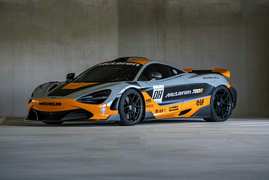
From Track Dominance to Asphalt Royalty: How Racing Engineering Defines the World’s Most Exciting Street Cars
For over a decade I’ve worked in automotive engineering and sales, and there’s one truth that rings louder than a V12 at full throttle: race cars are the ultimate test beds for road-going vehicles. The engineering required to win a 24 Hours of Le Mans race is the same engineering that makes a supercar brutally fast or a luxury sedan incredibly smooth. What starts as a cutting-edge design on the track invariably finds its way to the showroom, giving everyday drivers a taste of the world’s most elite automotive technology.
This isn’t just marketing fluff. The connection is real. When a manufacturer is racing for millions of dollars, they have to invent or perfect new technologies. Lightweight materials, advanced aerodynamics, and powerful, reliable engines are non-negotiable. If a design fails at 200 mph, it’s catastrophic. These harsh conditions force engineers to push materials and components to their absolute breaking point. As a result, production cars that come from racing become icons of performance, not just because they look fast, but because they actually inherit the DNA of champions.
The thrill of motorsport isn’t just about the roar of engines or the checkered flag; it’s about the continuous improvement of automotive capabilities. Every lap, every pit stop, and every engineering breakthrough fuels a chain reaction that eventually benefits all drivers. High-performance parts developed in the racing world are often adapted for performance street cars, while the aerodynamic principles used on race track cars are refined for street-legal vehicles. The technology that wins at Daytona can be the same technology that makes your daily commute feel exhilarating.
Moreover, winning in racing does wonders for a brand’s reputation. If a company’s race cars are winning titles, its production cars suddenly gain a level of respect and desirability that’s hard to build through advertising alone. This “win on Sunday, sell on Monday” philosophy is as true today as it ever was. Even if you never step foot in a Formula 1 race or a professional endurance race car, owning a production car from racing lets you experience the thrill of competition in a way that everyday cars simply can’t. It transforms simple journeys into exciting experiences, making the everyday extraordinary.
Let’s explore some of the most striking examples of cars born from racing, looking at how the lessons learned on the world’s most demanding tracks have been refined into legendary street machines.
The Evolution of the Race Car: How Competition Shapes Street Engineering
The evolution of race track cars and production cars from racing is a story of continuous advancement. Every success, every innovation, and every competitive moment in racing contributes to a richer history of automotive capability. The road-legal race cars of today owe much to the race car technology of the past. By looking at these iconic examples, we can see how the constant push for speed and performance has shaped some of the most captivating cars with racing DNA ever built.
For enthusiasts, the link between racing and production cars is a source of fascination. The development of production car performance is often directly tied to racing success. Understanding this history helps explain why certain high-performance production cars feel so different from their standard counterparts. It also explains the high values of cars developed from racing programs.
Many drivers who appreciate performance motorsport look for cars derived from racing. They seek the connection between the showroom and the track, knowing that these competition-bred production cars offer a unique driving experience. Whether it’s a track-focused road car or a race-inspired road vehicle, these cars represent the peak of automotive engineering and design.
The pursuit of automotive excellence through racing is a long-standing tradition. Manufacturers invest heavily in racing not just for the prestige, but as a crucial research and development platform. The lessons learned at high speeds and under extreme conditions inevitably find their way into production cars, enhancing performance, safety, and desirability.
If you’re interested in the world of performance cars from racing, understanding the history behind them is essential. From the high-tech race cars of today to the classic race-bred muscle cars of the past, the lineage of these vehicles continues to shape the automotive landscape. Exploring cars with motorsport DNA can be a fascinating journey into the world of automotive engineering and competition.
For those seeking professional auto repair for these high-performance machines, finding knowledgeable technicians is crucial. The specialized mechanics who work on these track-ready cars understand the unique engineering that goes into them, ensuring they perform at their best.
The automotive industry continues to evolve, but the connection between racing and production cars remains strong. Whether you’re looking for a classic sports car or a modern supercar, the spirit of competition is often at the heart of what makes these vehicles so special.
If you’re interested in performance car restoration, finding high-quality parts and experienced technicians is essential. These rare production cars require specialized care and attention to maintain their integrity and performance.
Understanding the development of race-bred production cars is a journey into the heart of automotive engineering. These competition-derived vehicles represent the pinnacle of what’s possible when technology and performance are pushed to their limits.
The market for race-bred cars is strong among collectors and enthusiasts. These motorsport-derived road cars are highly sought after for their unique blend of performance and heritage. Finding high-performance cars with motorsport DNA requires research and expertise, but the reward is a truly exceptional driving experience.
The evolution of race cars and production cars from racing is a testament to the enduring power of competition. These road-legal race cars continue to inspire awe and admiration, showcasing the pinnacle of automotive engineering and design. The race car technology that drives them represents the cutting edge of what’s possible, making them some of the most exciting cars with racing DNA ever built.
From Grid to Showroom: Decoding the Connection Between Race Cars and Production Vehicles
The world of production cars with motorsport heritage is one defined by the relentless pursuit of performance. When manufacturers develop road-legal race cars, they are essentially pushing the boundaries of what’s possible under the harshest possible conditions. The lessons learned in racing invariably filter down to the showroom, giving drivers the benefit of cutting-edge technology and engineering.
One of the most common ways that race car technology is adapted for street use is through the development of race-inspired road vehicles. These cars often feature components and engineering principles directly borrowed from their racing counterparts, giving them a distinct performance advantage. From the aerodynamic profiles of track-focused road cars to the lightweight materials used in high-performance production cars, the influence of racing is evident throughout the automotive landscape.
The development of competition-bred production cars is often a long and complex process. Manufacturers spend millions of dollars researching and developing new technologies in racing programs, hoping to gain a competitive edge. When these technologies prove successful on the track, they are often adapted for production cars, giving drivers the benefit of world-class performance.
The history of cars with racing DNA is filled with examples of this connection. From classic race-bred muscle cars to modern high-tech race cars, these vehicles represent the pinnacle of automotive engineering and design. Understanding this history helps explain why production cars from racing are so highly valued by collectors and enthusiasts.
The automotive industry continues to evolve, but the connection between racing and production cars remains strong. Whether you’re looking for a classic sports car or a modern supercar, the spirit of competition is often at the heart of what makes these vehicles so special.
If you’re interested in performance car restoration, finding high-quality parts and experienced technicians is essential. These rare production cars require specialized care and attention to maintain their integrity and performance.
Understanding the development of race-bred production cars is a journey into the heart of automotive engineering. These competition-derived vehicles represent the pinnacle of what’s possible when technology and performance are pushed to their limits.
The market for race-bred cars is strong among collectors and enthusiasts. These motorsport-derived road cars are highly sought after for their unique blend of performance and heritage. Finding high-performance cars with motorsport DNA requires research and expertise, but the reward is a truly exceptional driving experience.
For those seeking professional auto repair for these high-performance machines, finding knowledgeable technicians is crucial. The specialized mechanics who work on these track-ready cars understand the unique engineering that goes into them, ensuring they perform at their best.
Iconic Performance: Exploring Cars That Inherit the Spirit of Motorsport
The world of production cars from racing is a testament to the power of competition. From the race car technology of the past to the high-tech race cars of today, these vehicles represent the pinnacle of automotive engineering and design. The road-legal race cars of today owe much to the lessons learned in racing, giving drivers the benefit of world-class performance and innovation.
One of the most compelling aspects of this connection is how race-inspired road vehicles are developed. These cars often feature components and engineering principles directly borrowed from their racing counterparts, giving them a distinct performance advantage. From the aerodynamic profiles of track-focused road cars to the lightweight materials used in high-performance production cars, the influence of racing is evident throughout the automotive landscape.
The development of competition-bred production cars is often a long and complex process.