



The Pinnacle of Automotive Engineering: A Deep Dive into the World’s Top 10 Supercars and Hypercars
For decades, the allure of automotive engineering has been defined by raw power, breathtaking speed, and jaw-dropping aesthetics. In the modern era, the lines between what constitutes a “supercar” and a “hypercar” have become increasingly blurred, with manufacturers consistently pushing the boundaries of what is physically possible. These automotive marvels are not mere transportation; they are rolling sculptures of carbon fiber and aluminum, powered by engines that defy conventional physics.
This comprehensive guide delves into the world of the most extreme production vehicles ever created, exploring the innovation, performance, and sheer exclusivity that define the apex of the automotive industry in 2025.
Defining the Elite: Supercars vs. Hypercars in 2025
Before embarking on this journey into the world of speed, it’s crucial to understand the hierarchy. While the terms are often used interchangeably, a general distinction exists.
Supercars are the pinnacle of what mass-market luxury brands can produce. They typically feature advanced aerodynamics, exotic materials, and a high-performance internal combustion engine (ICE), often with significant turbocharging or hybridization. Their price tags are astronomical, but they remain within the realm of possibility for the hyper-affluent.
Hypercars, on the other hand, represent a different category altogether. They are defined by a singular focus on breaking speed and performance records, often utilizing Formula 1-grade technology. These vehicles typically feature hybridization or electric powertrains, extreme weight reduction, and limited production runs that make them virtually unobtainable. They are the ultimate expressions of automotive engineering, where price is merely a secondary consideration.
The Hybrid Conqueror: Aston Martin Valkyrie
No list of hypercars is complete without mentioning the revolutionary Aston Martin Valkyrie. Designed in collaboration with Red Bull Racing, the Valkyrie represents the culmination of Formula 1 aerodynamics applied to a street-legal vehicle.
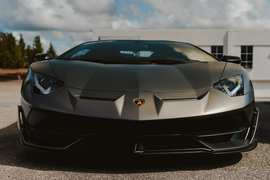 Power and Performance: The Valkyrie is powered by a naturally aspirated, high-revving 6.5-liter Cosworth V12 engine that produces a staggering 1,160 horsepower (1,176 PS) when combined with the integrated electric motor. This hybrid system allows for an exhilarating 0-60 mph acceleration in approximately 2.5 seconds, while the top speed is estimated to exceed 250 mph.
Design and Materials: What sets the Valkyrie apart is its revolutionary design. The carbon-fiber monocoque chassis is incredibly light, with the entire vehicle weighing just 1,030 kg (2,271 lbs). The body features extreme aerodynamic elements, including a large diffuser, distinctive side pods, and a unique rear wing that minimizes drag and maximizes downforce. The cockpit is a masterpiece of minimalist engineering, focused entirely on performance and driver engagement.
Exclusivity: The Aston Martin Valkyrie is produced in a limited edition of 150 units for the road version, with prices starting at $3.2 million. Given its pedigree and extreme performance, it is one of the most exclusive hypercars available today.
The Electric Revolution: Lotus Evija
In an era where electrification is shaping the future of the automotive industry, the Lotus Evija stands out as a groundbreaking electric hypercar. Developed in collaboration with Williams Advanced Engineering, the Evija represents a paradigm shift in hypercar performance.
Power and Performance: The Evija is powered by four electric motors, one at each wheel, producing a combined output of 2,000 horsepower. This unprecedented power allows for blistering acceleration, capable of reaching 60 mph in less than 3 seconds and 124 mph in under 7 seconds. While the top speed is electronically limited to 200 mph, the instantaneous torque of the electric motors makes the Evija feel incredibly agile and responsive.
Design and Materials: With a weight of only 1,680 kg (3,704 lbs), the Evija is one of the lightest production electric vehicles ever made. Its design is a fusion of aerodynamic purity and technical sophistication, featuring unique airflow channels and a floating roof design. The interior is minimalist and driver-focused, utilizing sustainable materials to align with Lotus’s commitment to eco-friendly performance.
Exclusivity: Production of the Lotus Evija is limited to 130 units, with prices starting at $2 million. This makes it a highly exclusive and desirable vehicle for those seeking a high-performance electric hypercar experience.
The Carbon Fiber Masterpiece: Bugatti Chiron
The Bugatti Chiron continues to be the benchmark for luxury hypercars, combining relentless power with unparalleled refinement. As the successor to the legendary Veyron, the Chiron has set new standards for speed, comfort, and desirability.
Power and Performance: The Chiron is powered by a quad-turbocharged 8.0-liter W16 engine that produces an astounding 1,500 horsepower (1,520 PS). This allows for a top speed of 261 mph (420 km/h), with a 0-60 mph acceleration in approximately 2.4 seconds. The Chiron’s performance is delivered through a seven-speed dual-clutch transmission, ensuring smooth and instantaneous power delivery.
Design and Materials: The Chiron’s design is a masterpiece of engineering and aesthetics. The carbon-fiber monocoque body is incredibly strong and lightweight, while the signature horseshoe grille and aerodynamic lines define its iconic appearance. The interior is a luxurious blend of handcrafted leather and polished aluminum, offering a comfortable and refined driving experience despite the car’s extreme performance.
Exclusivity: Production of the Bugatti Chiron is limited to 500 units, with prices starting at $2.5 million. The continuous demand for this iconic hypercar makes it one of the most sought-after vehicles in the world.
The Track-Focused Beast: Bugatti Bolide
Power and Performance: The Valkyrie is powered by a naturally aspirated, high-revving 6.5-liter Cosworth V12 engine that produces a staggering 1,160 horsepower (1,176 PS) when combined with the integrated electric motor. This hybrid system allows for an exhilarating 0-60 mph acceleration in approximately 2.5 seconds, while the top speed is estimated to exceed 250 mph.
Design and Materials: What sets the Valkyrie apart is its revolutionary design. The carbon-fiber monocoque chassis is incredibly light, with the entire vehicle weighing just 1,030 kg (2,271 lbs). The body features extreme aerodynamic elements, including a large diffuser, distinctive side pods, and a unique rear wing that minimizes drag and maximizes downforce. The cockpit is a masterpiece of minimalist engineering, focused entirely on performance and driver engagement.
Exclusivity: The Aston Martin Valkyrie is produced in a limited edition of 150 units for the road version, with prices starting at $3.2 million. Given its pedigree and extreme performance, it is one of the most exclusive hypercars available today.
The Electric Revolution: Lotus Evija
In an era where electrification is shaping the future of the automotive industry, the Lotus Evija stands out as a groundbreaking electric hypercar. Developed in collaboration with Williams Advanced Engineering, the Evija represents a paradigm shift in hypercar performance.
Power and Performance: The Evija is powered by four electric motors, one at each wheel, producing a combined output of 2,000 horsepower. This unprecedented power allows for blistering acceleration, capable of reaching 60 mph in less than 3 seconds and 124 mph in under 7 seconds. While the top speed is electronically limited to 200 mph, the instantaneous torque of the electric motors makes the Evija feel incredibly agile and responsive.
Design and Materials: With a weight of only 1,680 kg (3,704 lbs), the Evija is one of the lightest production electric vehicles ever made. Its design is a fusion of aerodynamic purity and technical sophistication, featuring unique airflow channels and a floating roof design. The interior is minimalist and driver-focused, utilizing sustainable materials to align with Lotus’s commitment to eco-friendly performance.
Exclusivity: Production of the Lotus Evija is limited to 130 units, with prices starting at $2 million. This makes it a highly exclusive and desirable vehicle for those seeking a high-performance electric hypercar experience.
The Carbon Fiber Masterpiece: Bugatti Chiron
The Bugatti Chiron continues to be the benchmark for luxury hypercars, combining relentless power with unparalleled refinement. As the successor to the legendary Veyron, the Chiron has set new standards for speed, comfort, and desirability.
Power and Performance: The Chiron is powered by a quad-turbocharged 8.0-liter W16 engine that produces an astounding 1,500 horsepower (1,520 PS). This allows for a top speed of 261 mph (420 km/h), with a 0-60 mph acceleration in approximately 2.4 seconds. The Chiron’s performance is delivered through a seven-speed dual-clutch transmission, ensuring smooth and instantaneous power delivery.
Design and Materials: The Chiron’s design is a masterpiece of engineering and aesthetics. The carbon-fiber monocoque body is incredibly strong and lightweight, while the signature horseshoe grille and aerodynamic lines define its iconic appearance. The interior is a luxurious blend of handcrafted leather and polished aluminum, offering a comfortable and refined driving experience despite the car’s extreme performance.
Exclusivity: Production of the Bugatti Chiron is limited to 500 units, with prices starting at $2.5 million. The continuous demand for this iconic hypercar makes it one of the most sought-after vehicles in the world.
The Track-Focused Beast: Bugatti Bolide
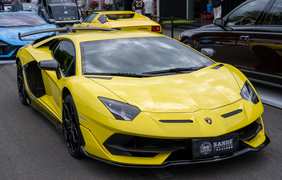 Designed purely for the track, the Bugatti Bolide represents the extreme edge of the Chiron’s performance capabilities. This lightweight, aerodynamic monster pushes the boundaries of what is possible in a track-focused hypercar.
Power and Performance: The Bolide is powered by an optimized version of the W16 engine that produces 1,600 horsepower (1,623 PS) on racing fuel. This results in an astonishing power-to-weight ratio that allows for breathtaking performance, with a top speed of 310 mph (500 km/h). The Bolide’s aerodynamics generate significant downforce, ensuring stability at extreme speeds.
Design and Materials: The Bolide’s design is a radical departure from the Chiron, featuring a lightweight carbon-fiber body with aggressive aerodynamic elements and functional cooling ducts. The interior is minimalist and focused on performance, with a racing-style cockpit and a digital instrument cluster.
Exclusivity: Production of the Bugatti Bolide is limited to 40 units, with prices starting at $4.7 million. This makes it one of the most exclusive and expensive track-focused hypercars available today.
The Aerodynamic Perfection: McLaren Speedtail
The McLaren Speedtail represents the ultimate expression of McLaren’s engineering philosophy, combining aerodynamic perfection with raw speed. This hypercar is designed to reach record-breaking speeds while maintaining a sense of luxury and refinement.
Power and Performance: The Speedtail is powered by a hybrid powertrain that combines a 4.0-liter twin-turbocharged V8 engine with an electric motor, producing a total of 1,050 horsepower. This allows for a top speed of 250 mph (403 km/h) and a 0-60 mph acceleration in approximately 2.9 seconds. The Speedtail’s unique aerodynamic design minimizes drag, allowing for effortless cruising at extreme speeds.
Design and Materials: The Speedtail’s design is a stunning testament to aerodynamic efficiency, featuring a long, tapering tail that resembles a teardrop in flight. The interior features a unique three-seat layout, with the driver positioned in the center, offering an unparalleled driving experience. The extensive use of carbon fiber ensures a lightweight and rigid structure.
Exclusivity: Production of the McLaren Speedtail is limited to 106 units, with prices starting at $2.2 million. This exclusivity makes it one of the most desirable hypercars for collectors and performance enthusiasts.
The Track-Day Weapon: Koenigsegg Jesko Absolute
The Koenigsegg Jesko Absolute is the undisputed champion of speed, designed to be the fastest production car in the world. This Swedish hypercar pushes the boundaries of aerodynamics, engine technology, and performance engineering.
Power and Performance: The Jesko Absolute is powered by a 5.0-liter twin-turbocharged V8 engine that produces 1,600 horsepower (1,625 PS) on E85 fuel. This allows for a claimed top speed of 330 mph (531 km/h), making it the fastest production car ever conceived. The Jesko’s innovative transmission and active aerodynamics ensure stability and control at extreme speeds.
Design and Materials: The Jesko Absolute’s design is a masterclass in aerodynamic efficiency, with a sleek, low-profile body and active aerodynamic elements that optimize downforce and minimize drag. The interior is minimalist and driver-focused, featuring advanced digital displays and high-end materials.
Designed purely for the track, the Bugatti Bolide represents the extreme edge of the Chiron’s performance capabilities. This lightweight, aerodynamic monster pushes the boundaries of what is possible in a track-focused hypercar.
Power and Performance: The Bolide is powered by an optimized version of the W16 engine that produces 1,600 horsepower (1,623 PS) on racing fuel. This results in an astonishing power-to-weight ratio that allows for breathtaking performance, with a top speed of 310 mph (500 km/h). The Bolide’s aerodynamics generate significant downforce, ensuring stability at extreme speeds.
Design and Materials: The Bolide’s design is a radical departure from the Chiron, featuring a lightweight carbon-fiber body with aggressive aerodynamic elements and functional cooling ducts. The interior is minimalist and focused on performance, with a racing-style cockpit and a digital instrument cluster.
Exclusivity: Production of the Bugatti Bolide is limited to 40 units, with prices starting at $4.7 million. This makes it one of the most exclusive and expensive track-focused hypercars available today.
The Aerodynamic Perfection: McLaren Speedtail
The McLaren Speedtail represents the ultimate expression of McLaren’s engineering philosophy, combining aerodynamic perfection with raw speed. This hypercar is designed to reach record-breaking speeds while maintaining a sense of luxury and refinement.
Power and Performance: The Speedtail is powered by a hybrid powertrain that combines a 4.0-liter twin-turbocharged V8 engine with an electric motor, producing a total of 1,050 horsepower. This allows for a top speed of 250 mph (403 km/h) and a 0-60 mph acceleration in approximately 2.9 seconds. The Speedtail’s unique aerodynamic design minimizes drag, allowing for effortless cruising at extreme speeds.
Design and Materials: The Speedtail’s design is a stunning testament to aerodynamic efficiency, featuring a long, tapering tail that resembles a teardrop in flight. The interior features a unique three-seat layout, with the driver positioned in the center, offering an unparalleled driving experience. The extensive use of carbon fiber ensures a lightweight and rigid structure.
Exclusivity: Production of the McLaren Speedtail is limited to 106 units, with prices starting at $2.2 million. This exclusivity makes it one of the most desirable hypercars for collectors and performance enthusiasts.
The Track-Day Weapon: Koenigsegg Jesko Absolute
The Koenigsegg Jesko Absolute is the undisputed champion of speed, designed to be the fastest production car in the world. This Swedish hypercar pushes the boundaries of aerodynamics, engine technology, and performance engineering.
Power and Performance: The Jesko Absolute is powered by a 5.0-liter twin-turbocharged V8 engine that produces 1,600 horsepower (1,625 PS) on E85 fuel. This allows for a claimed top speed of 330 mph (531 km/h), making it the fastest production car ever conceived. The Jesko’s innovative transmission and active aerodynamics ensure stability and control at extreme speeds.
Design and Materials: The Jesko Absolute’s design is a masterclass in aerodynamic efficiency, with a sleek, low-profile body and active aerodynamic elements that optimize downforce and minimize drag. The interior is minimalist and driver-focused, featuring advanced digital displays and high-end materials.
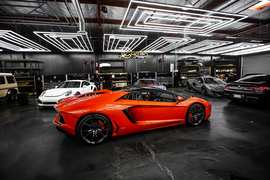 Exclusivity: Production of the Koenigsegg Jesko Absolute is limited to 125 units