



The Evolution of an Icon: 5 Porsche 911s That Defined a Generation of Driving
Forty years. It’s a span of time that feels both fleeting and eternal, especially when you consider the landscape of high-performance automobiles. In the world of sports cars, few names carry the weight, the mystique, or the unwavering devotion that Porsche’s 911 does. It has been a constant in a constantly evolving industry—a benchmark that car enthusiasts measure every other performance vehicle against.
When I first got behind the wheel of a Porsche 911, 40 years ago, the experience was less about driving and more about surviving. I remember the car clearly: a white 3.0-liter Carrera. No power steering, no rear wing, just a pure, mechanical machine with a five-speed manual transmission and black Fuchs alloys. It was blindingly fast but also notoriously difficult to handle. At the time, I tested it against a 944 Turbo. The 944 was objectively the better car—faster, easier to drive, and more comfortable. Yet, when I had to choose, I picked the 911. It wasn’t the logical choice; it was the emotional one.
The 911 has always demanded respect. It’s a car that challenges its driver, forcing them to learn its rhythms, understand its balance, and adapt their own driving style to match its unique character. After 40 years of testing Porsches, I can say that the 911 has evolved significantly, becoming faster, smoother, and more sophisticated. But through it all, it has never lost its soul. It remains one of the few new cars I would still buy with my own money.
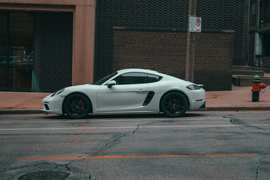 Here are five of the most memorable Porsche 911s I’ve driven during my career, each one representing a different era in the evolution of this legendary sports car.
The 1975 Porsche 930 Turbo: The Widowmaker
For decades, the original Porsche 911 Turbo—the 930—was the stuff of legend. Veteran road testers described it as a car that demanded the utmost concentration. They spoke of its turbo lag with a mixture of fear and awe, warning drivers about the car’s binary nature. In the 930, a moment of hesitation meant understeer, but a moment too late with the throttle meant a sudden, violent surge of torque that would send the rear end into oversteer.
It took me 35 years to get behind the wheel of one of these legendary machines. The car I drove was one of the first 30 production Turbos ever built, now a treasured part of Porsche’s classic fleet. Aware of its fearsome reputation, I drove with extreme caution at first. I tried to map the power delivery, carefully feeding in the throttle and watching the tachometer.
The 3.0-liter flat-six was surprisingly tractable at low revs, managing to cruise at 45 mph in top gear without a complaint. But once the engine hit 3,500 rpm, the turbocharger spooled up, and the acceleration surge was palpable. I had expected a sledgehammer blow between the shoulder blades, but what I found was something more nuanced.
The key to taming the 930 was keeping the revs above 4,000 rpm to maintain boost pressure. Yes, there was turbo lag, noticeable by modern standards, but it was manageable. Even today, the 930 is an impressively fast car. First gear reaches 50 mph, second hits 90 mph, and third tops out at nearly 130 mph. Using just second and third gears allows the 930 to effortlessly destroy winding roads. While it has only 256 hp, it weighs just 2,513 pounds, making it agile and responsive in corners. Fifty years ago, its performance was otherworldly.
The original 930 represents the raw, uncompromising heart of the 911 experience. It’s a car that teaches respect and rewards precision—a thrilling reminder of what modern performance cars have sacrificed for convenience and speed.
The 1996 Porsche 911 (993): The Last of the Air-Cooled Era
For Porsche purists, the 993-generation 911 is the ultimate expression of the original design—the last of the air-cooled models. It is the Porsche that connects directly to the 3.0-liter Carrera I drove all those years ago, a car you drive with your knuckles grazing the dash, the metallic clatter of an air-cooled flat-six singing behind you. But back in 1994, when I first drove the 993, it represented the future of performance and pushed the boundaries of what we thought was possible for a 911.
The 993 was a revelation compared to its predecessor, the 964. While it retained the classic 911 handling characteristics—the slight front-end lift and the slight rear-end twitch on rough turns—it was a much more refined and capable machine. The chassis of the 993 was completely redesigned. It replaced the old semi-trailing arms with a new multilink suspension system. This innovation allowed for very slight initial toe-out during corner entry, which then transitioned to progressive toe-in as lateral forces increased. Crucially, this reduced the negative camber change that had been the Achilles’ heel of the 911 since its inception in 1963.
Here are five of the most memorable Porsche 911s I’ve driven during my career, each one representing a different era in the evolution of this legendary sports car.
The 1975 Porsche 930 Turbo: The Widowmaker
For decades, the original Porsche 911 Turbo—the 930—was the stuff of legend. Veteran road testers described it as a car that demanded the utmost concentration. They spoke of its turbo lag with a mixture of fear and awe, warning drivers about the car’s binary nature. In the 930, a moment of hesitation meant understeer, but a moment too late with the throttle meant a sudden, violent surge of torque that would send the rear end into oversteer.
It took me 35 years to get behind the wheel of one of these legendary machines. The car I drove was one of the first 30 production Turbos ever built, now a treasured part of Porsche’s classic fleet. Aware of its fearsome reputation, I drove with extreme caution at first. I tried to map the power delivery, carefully feeding in the throttle and watching the tachometer.
The 3.0-liter flat-six was surprisingly tractable at low revs, managing to cruise at 45 mph in top gear without a complaint. But once the engine hit 3,500 rpm, the turbocharger spooled up, and the acceleration surge was palpable. I had expected a sledgehammer blow between the shoulder blades, but what I found was something more nuanced.
The key to taming the 930 was keeping the revs above 4,000 rpm to maintain boost pressure. Yes, there was turbo lag, noticeable by modern standards, but it was manageable. Even today, the 930 is an impressively fast car. First gear reaches 50 mph, second hits 90 mph, and third tops out at nearly 130 mph. Using just second and third gears allows the 930 to effortlessly destroy winding roads. While it has only 256 hp, it weighs just 2,513 pounds, making it agile and responsive in corners. Fifty years ago, its performance was otherworldly.
The original 930 represents the raw, uncompromising heart of the 911 experience. It’s a car that teaches respect and rewards precision—a thrilling reminder of what modern performance cars have sacrificed for convenience and speed.
The 1996 Porsche 911 (993): The Last of the Air-Cooled Era
For Porsche purists, the 993-generation 911 is the ultimate expression of the original design—the last of the air-cooled models. It is the Porsche that connects directly to the 3.0-liter Carrera I drove all those years ago, a car you drive with your knuckles grazing the dash, the metallic clatter of an air-cooled flat-six singing behind you. But back in 1994, when I first drove the 993, it represented the future of performance and pushed the boundaries of what we thought was possible for a 911.
The 993 was a revelation compared to its predecessor, the 964. While it retained the classic 911 handling characteristics—the slight front-end lift and the slight rear-end twitch on rough turns—it was a much more refined and capable machine. The chassis of the 993 was completely redesigned. It replaced the old semi-trailing arms with a new multilink suspension system. This innovation allowed for very slight initial toe-out during corner entry, which then transitioned to progressive toe-in as lateral forces increased. Crucially, this reduced the negative camber change that had been the Achilles’ heel of the 911 since its inception in 1963.
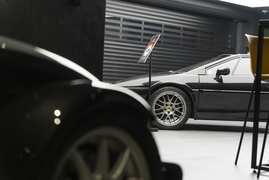 Combined with a new steering system that was 16 percent quicker (2.5 turns lock-to-lock), the front end of the 993 felt remarkably decisive. The new six-speed manual transmission allowed drivers to make the most of the 3.6-liter flat-six, which sang to its 268-hp peak at 6,100 rpm. This was thanks to lighter internals, a Bosch Motronic 2.0 engine management system, and a new dual exhaust.
It wasn’t just the engineering that was groundbreaking. The exterior design, led by Harm Lagaay, corrected what he saw as the visual flaws of the 964, a car he considered too tall in the front and pulled down too much at the rear. The 993 exterior was sculpted into a sleek, modern interpretation of the classic 911 silhouette. The interior was cleaner, too, with fewer buttons scattered around.
The 993 was a faster, more forgiving, and, most importantly, more desirable 911 than anything that had come before it. It successfully bridged the gap between the raw emotion of the air-cooled era and the demands of modern performance, making it a car that remains highly sought after by enthusiasts and collectors.
The 1996 Porsche 911 (996): The Heretical Successor
In the mid-1990s, Porsche made a decision that scandalized automotive purists: they installed a water-cooled flat-six in the tail of the 996-series 911. To the aficionados, this was heresy. It was like Bob Dylan swapping his acoustic guitar for a Fender Stratocaster at the 1965 Newport Folk Festival. But the 996, the first clean-sheet redesign of the 911 in 34 years, was more than just a controversial change; it was a savior for Porsche.
The 996-generation was a stroke of engineering genius, developed under the leadership of Porsche R&D chief Horst Marchart. It was a clever 911, partly because it shared 38% of its parts with the brand-new, less expensive mid-engine roadster that would become known as the Boxster. At the time, Porsche was struggling financially. Iconoclastic Porsche boss Wendelin Weideking knew the Boxster was essential to give dealers something to sell when the aging 928 and 968 models were retired. “We did two cars for the price of one-and-a-half,” design chief Harm Lagaay later quipped.
While the media fixated on the water-cooled engine and the Boxster relationship, the real story of the 996 ran much deeper. In 1994, it took Porsche 130 hours to build a 993-series 911. The 996 took only 60 hours to build. The modern Porsche 911 had arrived. It was roomier, equipped with all the features expected of a late 20th-century sports car, and yet still recognizably a 911.
Most importantly, it still drove like a 911. But it drove better. There was a new veneer of sophistication, but the 996 retained the delicious tactility and urgent response that made the 911 unique. And along with the original Boxster, the 996 saved Porsche from extinction. It proved that a 911 could evolve without losing its soul—a crucial lesson for Porsche’s future survival.
The 2017 Porsche Carrera 911 (991.2): The Everyman Hero
Combined with a new steering system that was 16 percent quicker (2.5 turns lock-to-lock), the front end of the 993 felt remarkably decisive. The new six-speed manual transmission allowed drivers to make the most of the 3.6-liter flat-six, which sang to its 268-hp peak at 6,100 rpm. This was thanks to lighter internals, a Bosch Motronic 2.0 engine management system, and a new dual exhaust.
It wasn’t just the engineering that was groundbreaking. The exterior design, led by Harm Lagaay, corrected what he saw as the visual flaws of the 964, a car he considered too tall in the front and pulled down too much at the rear. The 993 exterior was sculpted into a sleek, modern interpretation of the classic 911 silhouette. The interior was cleaner, too, with fewer buttons scattered around.
The 993 was a faster, more forgiving, and, most importantly, more desirable 911 than anything that had come before it. It successfully bridged the gap between the raw emotion of the air-cooled era and the demands of modern performance, making it a car that remains highly sought after by enthusiasts and collectors.
The 1996 Porsche 911 (996): The Heretical Successor
In the mid-1990s, Porsche made a decision that scandalized automotive purists: they installed a water-cooled flat-six in the tail of the 996-series 911. To the aficionados, this was heresy. It was like Bob Dylan swapping his acoustic guitar for a Fender Stratocaster at the 1965 Newport Folk Festival. But the 996, the first clean-sheet redesign of the 911 in 34 years, was more than just a controversial change; it was a savior for Porsche.
The 996-generation was a stroke of engineering genius, developed under the leadership of Porsche R&D chief Horst Marchart. It was a clever 911, partly because it shared 38% of its parts with the brand-new, less expensive mid-engine roadster that would become known as the Boxster. At the time, Porsche was struggling financially. Iconoclastic Porsche boss Wendelin Weideking knew the Boxster was essential to give dealers something to sell when the aging 928 and 968 models were retired. “We did two cars for the price of one-and-a-half,” design chief Harm Lagaay later quipped.
While the media fixated on the water-cooled engine and the Boxster relationship, the real story of the 996 ran much deeper. In 1994, it took Porsche 130 hours to build a 993-series 911. The 996 took only 60 hours to build. The modern Porsche 911 had arrived. It was roomier, equipped with all the features expected of a late 20th-century sports car, and yet still recognizably a 911.
Most importantly, it still drove like a 911. But it drove better. There was a new veneer of sophistication, but the 996 retained the delicious tactility and urgent response that made the 911 unique. And along with the original Boxster, the 996 saved Porsche from extinction. It proved that a 911 could evolve without losing its soul—a crucial lesson for Porsche’s future survival.
The 2017 Porsche Carrera 911 (991.2): The Everyman Hero
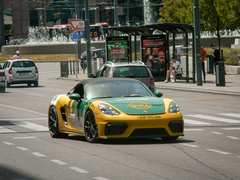 Of all the Porsche 911s I’ve ever driven, it was a base 991.2 Carrera